
Between a routine veterinary consultation and an emergency surgery, the cost difference can reach several hundred euros. Pet insurance promises to smooth out these expenses, but contracts vary greatly in terms of waiting periods, exclusions, and reimbursement limits. Comparing these parameters allows you to assess what a plan actually covers and what it leaves to the owner’s expense.
Guarantees and limits: what pet insurance plans really cover
Insurers generally offer three levels of plans. The table below summarizes the typical differences between these levels based on the most discriminating criteria.
| Criterion | Basic Plan | Intermediate Plan | Premium Plan |
|---|---|---|---|
| Reimbursement Rate | 50 to 70 % | 70 to 80 % | 80 to 100 % |
| Annual Limit | Low (a few hundred euros) | Moderate | High, sometimes unlimited |
| Accident Coverage | Yes | Yes | Yes |
| Illness Coverage | Partial or absent | Yes | Yes, including chronic illnesses |
| Prevention Package (vaccines, deworming) | No | Optional | Included |
| Hereditary / Congenital Conditions | Excluded | Depends on the contract | Covered under conditions |
The displayed reimbursement rate is not sufficient to evaluate a plan. The annual limit restricts the total amount reimbursed, regardless of the announced percentage. A contract with 100 % reimbursement and a low limit may cover less than a contract with 70 % reimbursement and a high limit in a year with several major procedures.
To obtain more information on Planète Animaux, simply consult the detailed grids by species and by plan that allow you to compare the levels of coverage offered by different insurers.
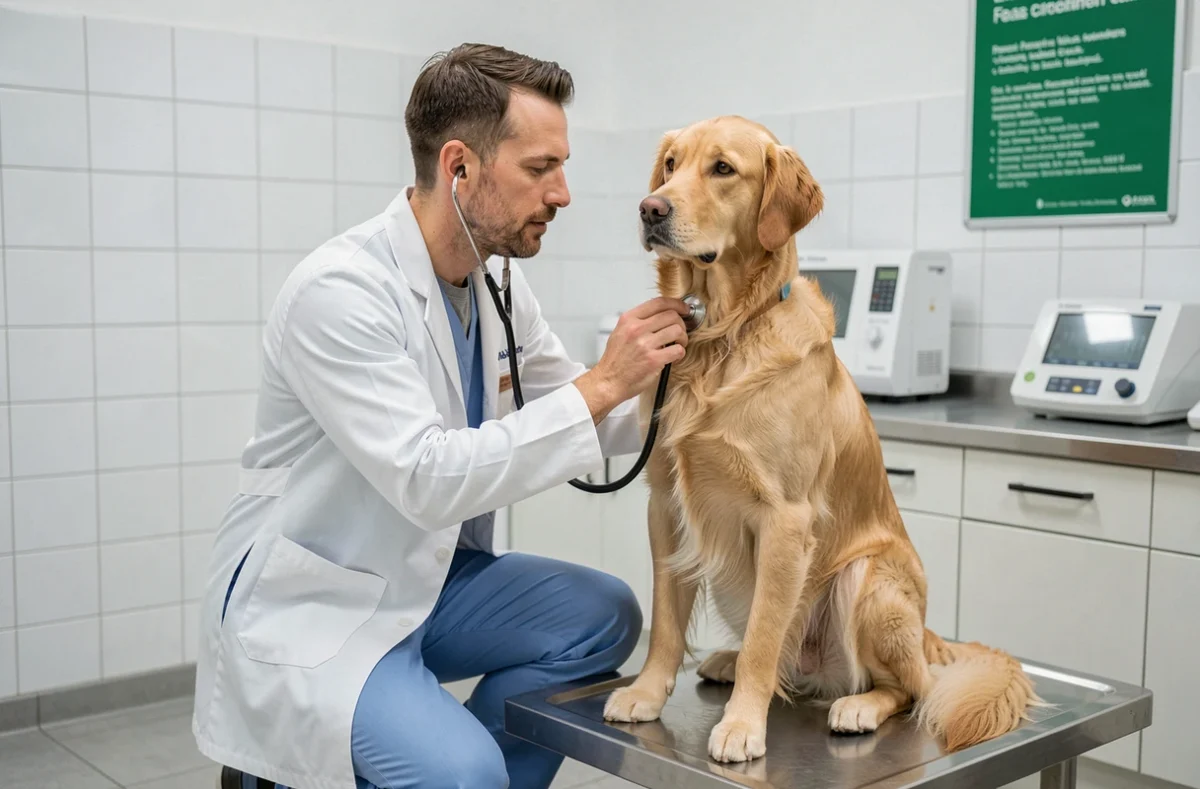
Waiting Period in Dog and Cat Insurance: An Often Underestimated Mechanism
The waiting period refers to the time following the signing of the contract during which no coverage is effective. This mechanism is present in almost all pet health insurance contracts, but its duration varies significantly depending on the type of claim.
- Accidents: the waiting period can be as short as 2 days on some contracts.
- Common illnesses: the waiting period is often around 45 days.
- Specific surgeries (cruciate ligaments, certain orthopedic procedures): the waiting period can reach 180 days.
A disease that appears during the waiting period may remain excluded for the entire duration of the contract, including its consequences and recurrences. This point is rarely highlighted in comparison tools. If a dog shows the first symptoms of a joint condition during the first weeks, the insurer may refuse any subsequent coverage related to this condition.
Waiting Period and Pre-existing Conditions: Two Distinct Exclusions
The waiting period concerns events occurring after the contract is signed but before the end of the waiting time. Pre-existing conditions, on the other hand, refer to conditions already present or showing signs before signing. A pre-existing condition does not become covered after the waiting period ends. The clinical examination conducted at the time of signing or the previous veterinary record serves as a reference to identify these exclusions.
The age at which the contract is signed plays a direct role. Most contracts set a maximum age for enrollment and adjust the premium based on the animal’s age. Enrolling early reduces the risk of being faced with a pre-existing condition and allows for a lower premium.
Hereditary Conditions and Predisposed Breeds: A Key Factor in Choosing a Contract
Some breeds of dogs and cats are predisposed to specific pathologies: orthopedic disorders (hip dysplasia in large dogs), eye conditions, respiratory problems in brachycephalic breeds. The coverage of these hereditary or congenital conditions varies radically from one contract to another.
Basic plans almost systematically exclude them. Intermediate plans may partially include them, with dedicated sub-limits. Only certain premium plans cover them without restriction, provided that the animal was enrolled before the first clinical signs appeared.
Check Exclusions Before Signing
The contractual document (general and specific conditions) lists the applicable exclusions. For an owner of a predisposed breed, this reading is the primary selection criterion. A cheap contract that excludes the pathologies to which the animal is most exposed loses much of its usefulness.

Concentration of Veterinary Clinics and Impact on Care Costs
The French veterinary market is experiencing a trend of clinic acquisitions by private groups. This concentration phenomenon can alter the pricing grids practiced locally. In areas where a single structure provides most of the care, prices tend to be higher than in sectors where several independent clinics coexist.
The average cost of care in your geographical area directly affects the profitability of an insurance contract. An owner located in an area with high veterinary rates will reach the threshold at which reimbursements exceed the total of accumulated premiums more quickly.
- Urban area with several group clinics: often higher rates, but quick access to specialists.
- Rural area with independent clinic: sometimes more moderate rates, potentially longer wait for access to specialized equipment.
- Proximity to a university veterinary hospital: access to cutting-edge care, but cost varies depending on the status of the facility.
Before enrolling, comparing the annual premium cost to the average amount of veterinary expenses already incurred for the animal provides a concrete evaluation basis. A contract becomes financially relevant when the total potential reimbursements exceed the premiums over a period of two to three years, taking into account predictable procedures related to age and breed.
The choice of pet health insurance relies less on the displayed reimbursement rate than on the combination of annual limit, waiting period, and list of exclusions. For a predisposed breed dog enrolled young in an area with high veterinary rates, the balance clearly favors a plan covering hereditary conditions, even at a higher premium.