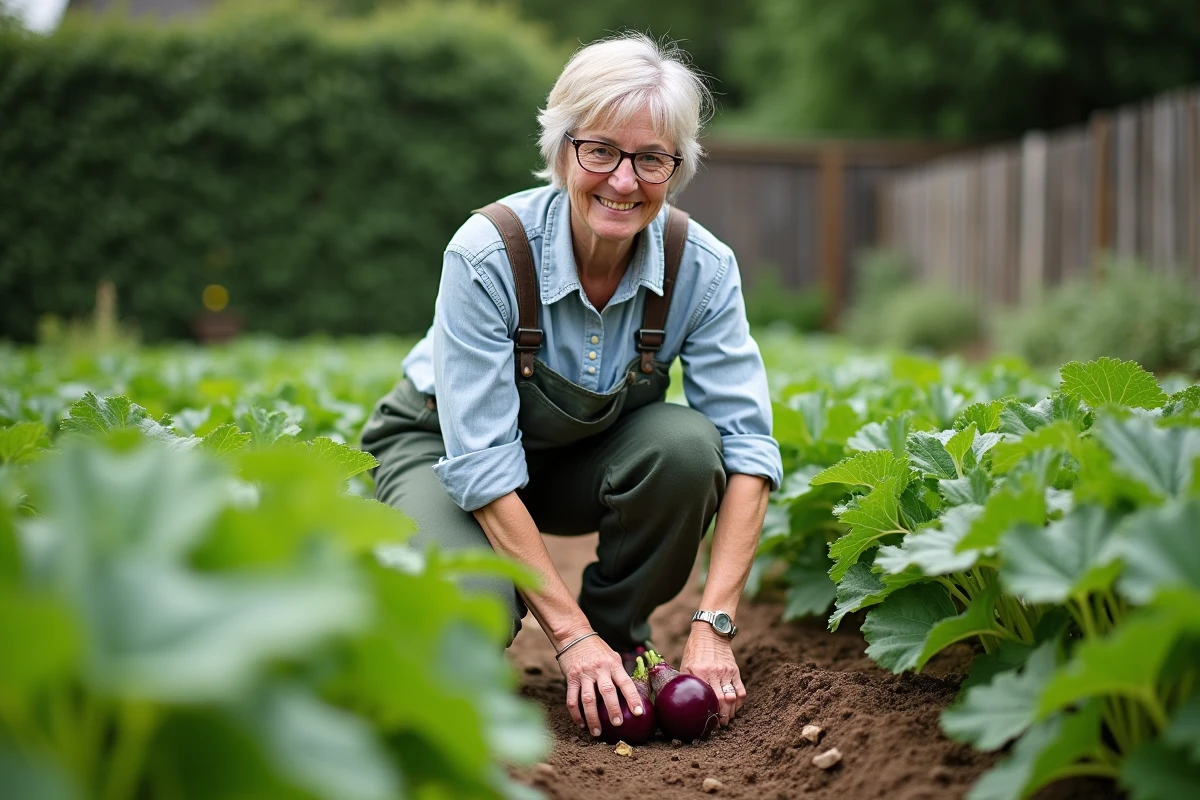
No strict botanical rule prohibits the association of beets and eggplants in the same plot of land. We are far from risky unions like tomato and potato, known for their underground rivalry. But this duo requires precision. Space, watering, resource management: here, every detail matters, as their rhythms and needs do not instinctively coincide.
To maintain a living soil without ever stopping the harvest, alternating crops and introducing seedlings capable of withstanding frost makes all the difference. Anticipating the season, thinking about the sequence of crops, these are actions that, year after year, create a more robust and varied vegetable garden.
Beets and eggplants: is this association in the vegetable garden really compatible?
In front of the garden plot, many hesitate to associate eggplants and beets. The eggplant occupies space, its large leaves capture light, while the beet puts all its energy underground. To avoid any competition, space the plants generously, at least thirty centimeters between each row; this is the strict minimum for both to grow without hindrance.
On the soil side, the requirements are clear: beets love deep, light soil, while eggplants only consider their growth in rich, well-drained soil that warms up quickly. Adding mature compost in spring gives you the best chance. Monitor the watering: it must remain regular, without excess water for the beet and without prolonged dryness for the eggplant.
Good timing makes the difference. Sow the beet as soon as the soil warms up, and cultivate the eggplant when the nights have softened. This alternation allows for effective crop succession and benefits from always dynamic soil.
To go further, Terrre d’Humus’ advice details all the steps, from soil preparation to choosing compatible varieties. Adaptation remains the key word: each season imposes its small corrections; nothing replaces the attentive eye of the gardener.
Which frost-resistant seedlings should be favored to accompany these mixed crops?
Strengthening the vegetable garden also means anticipating cold snaps. Relying on robust varieties that do not shy away from a spring chill brings flexibility and diversity to your rotation.
To compose your association, a few crops integrate easily and provide a real benefit:
- Spinach: precise and quick, they cover the soil as soon as the first nice days arrive and offer generous harvests even before the eggplants are set.
- Kohlrabi and cauliflower: their steady growth and sturdiness make them perfect to share the bed with beets or to be placed near eggplants without disturbing their development.
Anticipating these seedlings, as soon as winter ends, ensures productive soil and limits competition between plants. The spinach will be harvested before the eggplant needs all the space, and the cabbages benefit from the borders or inter-rows to develop. This organization helps avoid the domination of one species at the expense of others.
By diversifying frost-resistant varieties, you support life: the soil remains active, spontaneous regrowth becomes rare, and the overall balance of the garden gains stability, season after season.
Seasonal planning and crop rotation: practical tips to optimize your vegetable garden
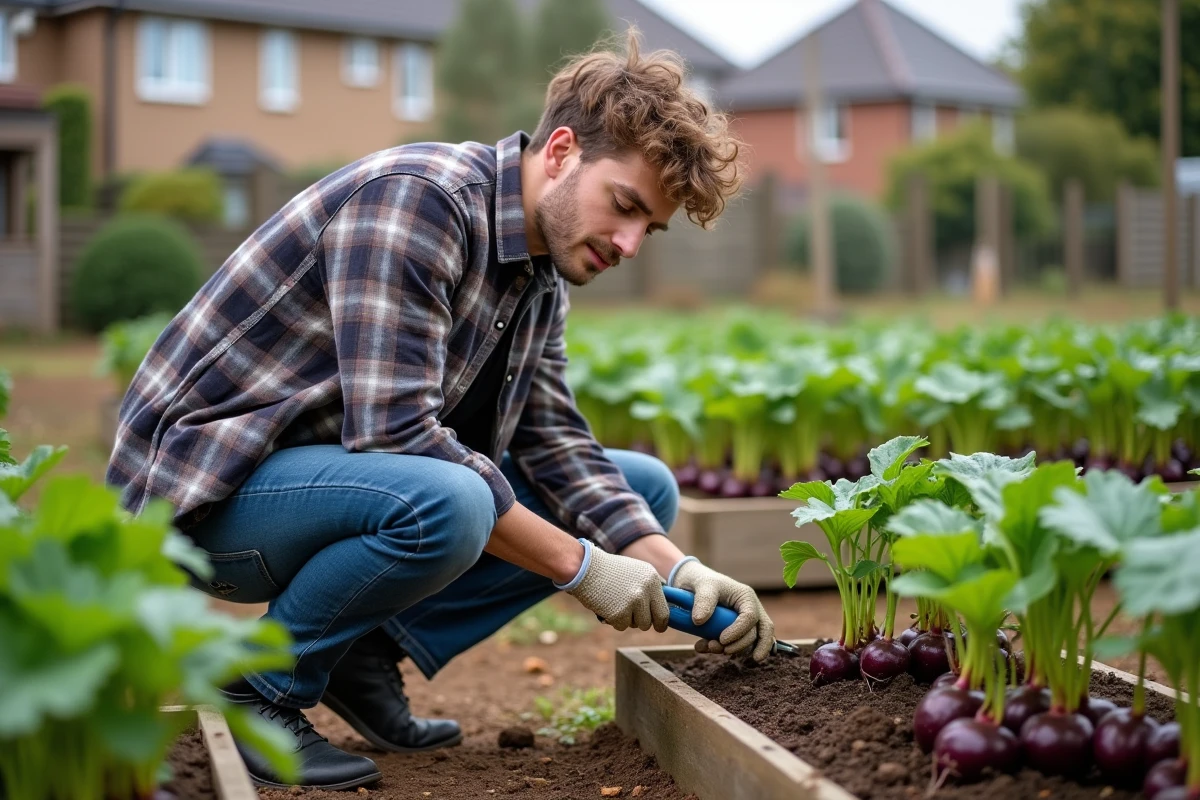
Establishing a sustainable vegetable garden starts with a true crop rotation. This means never growing the same family of vegetables in the same place for two consecutive years. Beets and eggplants can occupy the same plot, but only for one season; afterward, they must give up their places to preserve soil vitality and prevent diseases.
Before each new cycle, provide your soil with an extra dose of mature compost or some well-decomposed manure: this is a healthy base to restart microbial life and strengthen soil structure. Adjusting the sowing calendar according to local weather is essential, especially in spring when everything can change from one week to the next.
Mulching also plays a key role. Adding a layer of organic matter right after planting protects against drying out, slows down unwanted weeds, and contributes to underground biological activity. On a terrace or in a raised bed, rotation requires extra vigilance: the little available soil depletes faster and requires more frequent inputs.
Here are some useful guidelines to facilitate the management of your crops, season after season:
- After harvesting potatoes, plant the beets; as for the eggplants, they prefer to be placed just after leafy vegetable crops.
- Maintaining a diversity of plants is a real safeguard against imbalances and recurring attacks.
By combining observation, regular inputs, and thoughtful planning, the vegetable garden gains strength. Seasons follow one another, the soil regenerates, and each spring becomes the stage for a new promise ready to sprout under the gardener’s watchful eye.