
When you open a health app or a news feed in the morning, you come across dozens of headlines mixing prevention, epidemic alerts, and regulatory changes. Sorting through reliable information and background noise takes time, and the health news that really matters on a daily basis is not always the most visible. Knowing where to look and what to remember changes the game for adapting habits without overreacting.
Health Alerts and Epidemic Monitoring: What is Actually Useful
Before discussing nutrition or sleep, there is an aspect that most daily health articles overlook: operational public health alerts. Santé publique France regularly publishes surveillance bulletins, for example, at the start of the seasonal flu epidemic. These bulletins do not just signal a risk; they remind people of the prevention measures appropriate to the current context.
The DGS-Urgent system of the Ministry of Health relays both vaccination campaigns and regulatory or organizational changes that directly affect patient care. A change in reimbursement, a new vaccination recommendation, or an alert about a batch of medication: this information often goes unnoticed by the general public, even though it concretely alters access to care.
To keep track of these topics without dedicating an hour a day, one can centralize their monitoring on a few reliable sources. For example, updated content can be found on actesante.fr, which gathers practical information covering several health themes.
Seasonal Diseases and Prevention: Adapting Reflexes to the Calendar

There is a lot of talk about prevention in general terms, but in practice, health risks vary significantly depending on the time of year. Gastroenteritis in winter, pollen allergies in spring, heat strokes in summer, flu and bronchiolitis in autumn: each season calls for different reflexes.
The problem is that we often receive information too late. Flu vaccination reminders come when the epidemic is already underway. Heatwave recommendations emerge at the peak of heat. For children in particular, monitoring respiratory diseases like bronchiolitis requires anticipating epidemic peaks, not reacting once the pediatrician’s waiting room is overflowing.
In practical terms, three habits can reduce this lag:
- Consult the Santé publique France bulletins at the change of seasons to identify rising pathologies in your region
- Check your vaccination calendar once a year, especially for children and at-risk individuals, without waiting for the official campaign
- Keep a minimal stock of prevention materials (hand sanitizer, masks, saline solution) to avoid rushing to the pharmacy at the worst moment
Feedback varies on the actual usefulness of health tracking apps for this type of monitoring. Some send relevant notifications, while others overwhelm the user with generic advice.
Mental Health and Information Overload: The Trap of Overinformation
Following health news can become counterproductive when one absorbs too much anxiety-inducing information. Mental health, declared a national priority in France, is the subject of numerous institutional publications. Six action levers are regularly highlighted by public authorities: dare, recognize, confide, listen, support, consult.
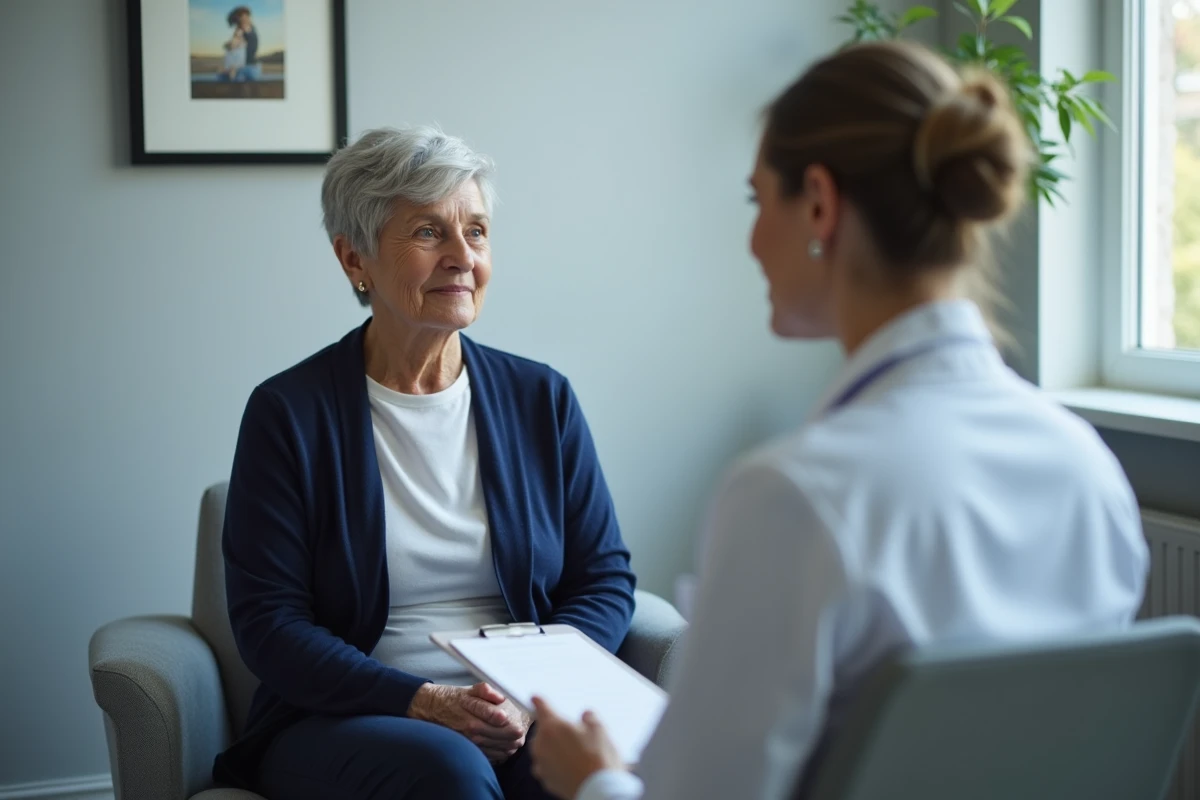
On the ground, the most challenging aspect remains distinguishing a temporary malaise from a signal that warrants consultation. Poor sleep for a few days after a stressful period does not carry the same weight as chronic fatigue that has persisted for weeks. Sleep, in fact, remains a reliable and easily observable indicator.
To reduce the mental load associated with health monitoring, one can apply a simple rule: only check health news once or twice a week, from institutional sources, rather than continuously scrolling through mixed news feeds.
International Health Monitoring: Why It Concerns Us Daily
We tend to think that international health alerts only affect travelers. In reality, monitoring outbreaks abroad (such as Ebola in Uganda, plague in the DRC, or Marburg virus in Ghana) directly informs the prevention recommendations applied in France.
When a hantavirus circulates in a given geographic area, French health authorities adjust their protocols at borders and airports. These adjustments can change travel conditions, pre-departure vaccination recommendations, or care advice upon return.
For families with children, checking health travel recommendations before departure takes only a few minutes. The National Institute of Public Health of Quebec, for example, publishes international health risk surveillance that complements French data.
- Before traveling, consult country-specific sheets on public health websites to identify specific risks (vector-borne diseases, water quality, mandatory vaccinations)
- Upon return, monitor for unusual symptoms in the following weeks and report any recent travel to the doctor
- Follow alerts from the Ministry of Foreign Affairs in addition to public health sources for a complete view of the risk
Sante.fr, the Public Health Information Service
Sante.fr is not just a medical directory. This portal was created by Article 88 of the law modernizing the health system, with an official mission: to freely disseminate validated health information to the public. It provides information on treatments and diseases as well as tools to locate a healthcare professional or a nearby testing center.
This type of institutional resource serves as a more reliable starting point than the results of a general search engine, where sponsored content and unsourced articles mix with verified information.
Caring for one’s health daily relies as much on the quality of information as on the preventive measures themselves. A targeted monitoring of two or three reliable sources effectively replaces hours of scattered reading and allows one to conserve energy for what matters: applying the right reflexes at the right time.