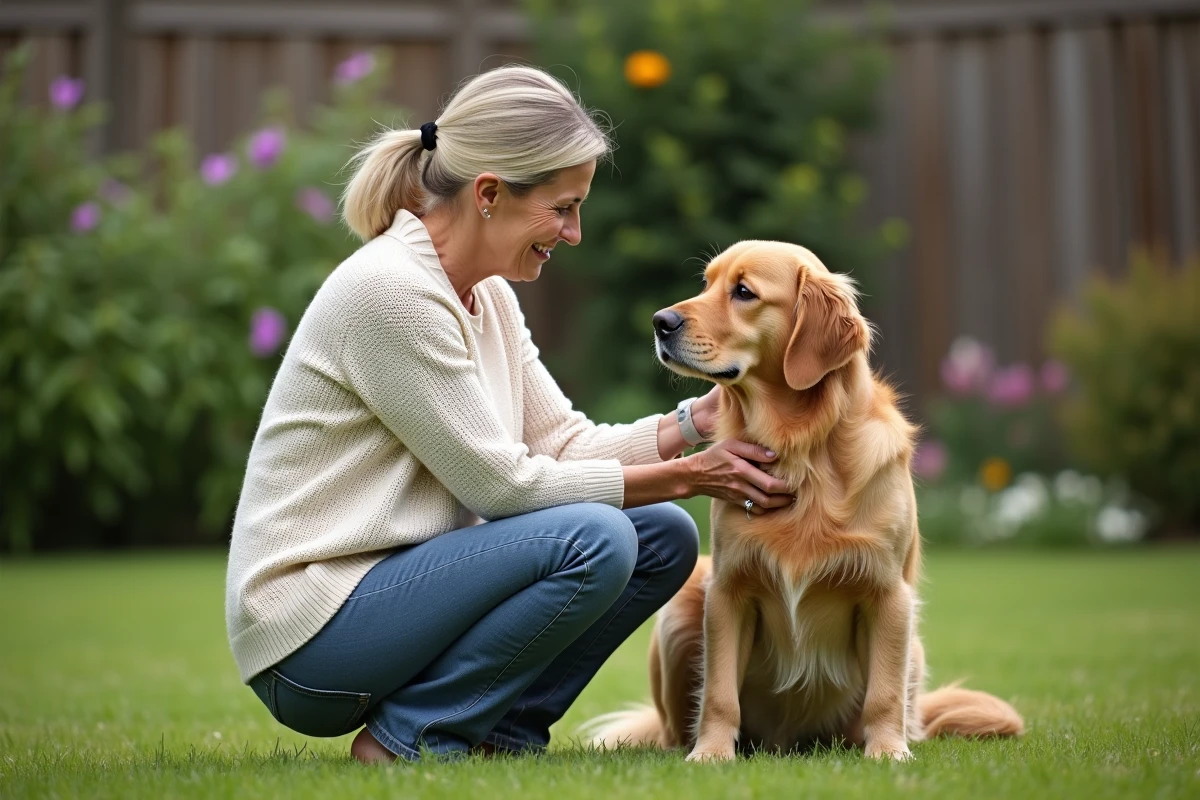
A lipoma in dogs generally does not evolve into a malignant tumor, but its presence often worries owners. The exact causes remain unclear, although some dogs seem more predisposed based on their age or breed.
In the face of this benign mass, surgery is not always recommended. Several natural options can accompany veterinary follow-up, in addition to regular monitoring and a suitable diet.
Recognizing a lipoma in your dog: what should you pay attention to?
One morning, a mass appears under your fingers. It is not a wound or a hematoma. It is a lump under the dog’s skin, often a source of anxiety for those sharing their life with an aging animal. The lipoma, this benign fatty tumor, remains a common discovery, especially in middle-aged or older dogs. Certain breeds, such as Labrador, Golden Retriever, or Cocker Spaniel, seem to be more affected, but no dog is immune.
To recognize a lipoma in dogs, you should pay attention to several signs: the nodule is soft, moves under the skin, and is not painful to the touch. It is mainly found on the chest, flanks, or limbs. Its growth is slow, it does not turn red, does not heat up, and does not hurt. Unlike a malignant tumor or a liposarcoma, the lipoma remains superficial, without adhering to deep tissues, and the dog maintains its shape.
However, any suspicious lump requires verification. The veterinarian can analyze the nature of the mass through a simple fine needle aspiration. Only this procedure allows distinguishing between a lipoma, infiltrating lipoma, or another fatty tumor. A few signals should prompt immediate consultation: if the mass grows quickly, becomes painful, adheres to tissues, or bothers the dog. It is then, and only after professional advice, that a natural treatment for the lipoma lump in dogs can be considered, always under supervision.
Natural treatments: what gentle solutions to help your dog?
Some owners, concerned about their companion’s well-being, seek natural remedies to accompany the treatment of the lipoma while keeping a close eye on the evolution of the mass. Gentle solutions exist, provided that nothing is improvised and regular dialogue with the veterinarian is maintained.
Phytotherapy offers some options: turmeric and burdock, used as dietary supplements or in infusions, are traditionally valued for their soothing and anti-inflammatory properties. However, what soothes a human organism does not always suit an animal: each addition must be validated by the veterinarian to avoid adverse interactions or undesirable side effects.
Gentle massages applied to the lipoma area can stimulate lymphatic circulation and relax the dog. However, any action should be avoided if the mass seems adherent or painful, as it may cause additional discomfort. Vegetable oils rich in omega-3, such as fish or flaxseed oil, nourish the skin and can soothe mild inflammation. Some rely on gemmotherapy, which involves using plant buds; however, scientific evidence is lacking to make it a systematic reference.
To support your dog on a daily basis, here are some additional measures to adopt:
- Prioritize a balanced diet, avoid excess additives, and limit hidden sugars in kibble.
- Maintain regular physical activity, even moderate, as weight gain promotes the development of fatty lumps.
Considering a natural treatment for the lipoma lump in dogs never replaces consulting the veterinarian. Only careful observation of the mass’s evolution, combined with a gentle and holistic approach, guarantees the real well-being of the animal. Avoid miracle products and unverified promises: caution remains your best ally.
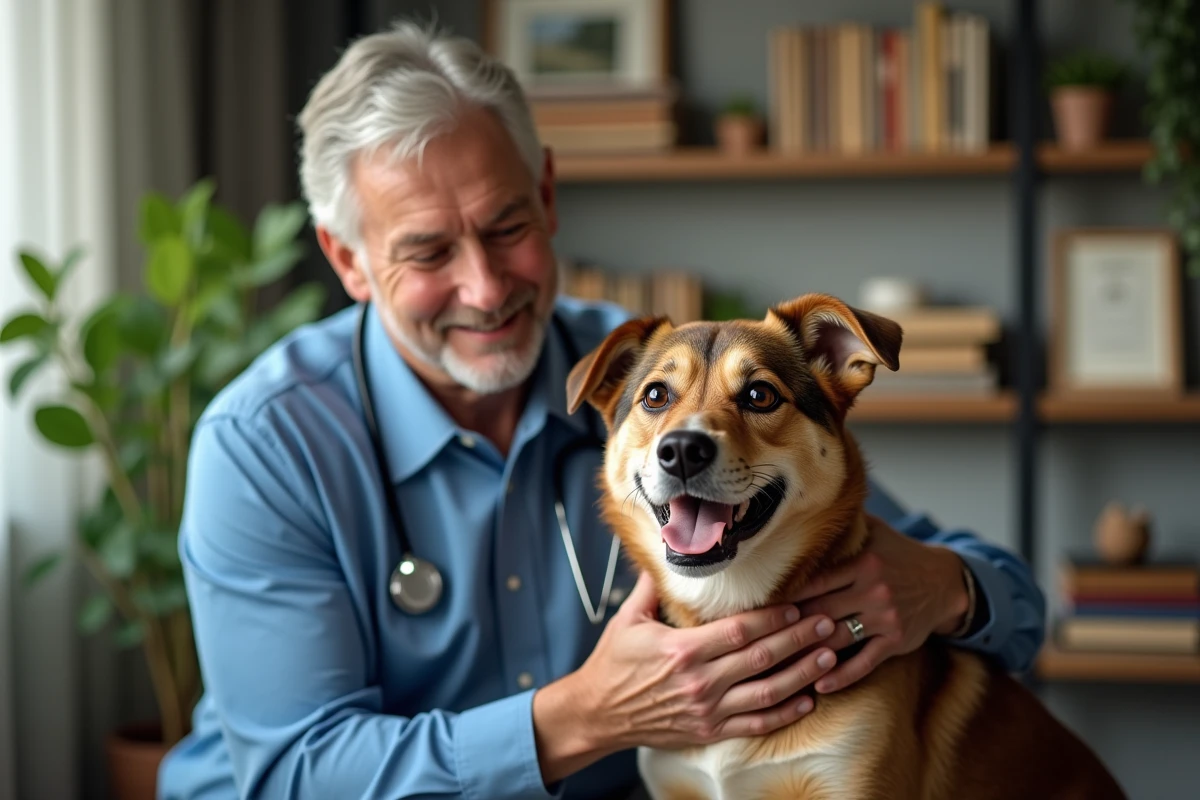
Preventing the appearance of lipomas: practical tips for daily life
Preventing lipomas in dogs relies on routine, careful observation, and an appropriate lifestyle. Diet plays a crucial role: each meal should correspond to the dog’s age, size, and activity level. Excesses, whether from fatty treats or low-quality kibble, increase the risk of fat storage and promote the appearance of fatty tumors.
Physical activity makes all the difference. Walks, games, and stimulation suited to the dog’s morphology: every opportunity to get the dog moving limits weight gain, and thus the formation of lipomas. Aging dogs remain affected: even an elderly companion needs regular outings, even if the intensity needs to be adjusted.
To maintain control and intervene quickly if necessary, these preventive actions should be integrated into your routine:
- Schedule an annual veterinary check-up to detect any anomalies under the skin and anticipate potential complications.
- Regularly palpate the dog’s body, especially in predisposed breeds like Labrador, Golden Retriever, or Cocker Spaniel.
Preventing lipomas also involves vigilance regarding the environment: reduce exposure to toxins, limit the use of household chemicals, or uncontrolled anti-parasitic treatments. Finally, keep in mind that genetics plays a role: some dogs, due to their lineage, develop more fatty masses as they age. Anticipate, observe, adjust: daily life remains the best ground for protection against lipomas.